Why is TVAR (Trap-Vaccinate-Alter-Return) Important?
1. Prevents Future Litters
3. Reduces Nuisance Behaviors
1. Prevents Future Litters

TNR plays a crucial role in community cat health by stopping cats from reproducing, which ultimately prevents hundreds of kittens from being born over time. This effective feral cat management strategy reduces the number of homeless cats and lessens the burden on shelters and rescue organizations, highlighting the TNR importance in animal welfare.
2. Improves Cat Health
3. Reduces Nuisance Behaviors
1. Prevents Future Litters

During the TNR process, which is crucial for effective feral cat management, cats are typically vaccinated and receive basic medical care. This focus on community cat health ensures that sterilized cats are less likely to suffer from reproductive diseases and injuries related to mating.
3. Reduces Nuisance Behaviors
3. Reduces Nuisance Behaviors
4. Stabilizes Colony Populations

Neutered cats contribute positively to community cat health by being less likely to:
- Fight with other cats
- Roam long distances
- Spray strong-smelling urine
- Make loud mating calls
This reduction in undesirable behaviors is crucial for effective feral cat management and reinforces the TNR importance, leading to fewer complaints from neighbors.
4. Stabilizes Colony Populations
6. Creates Healthier, More Manageable Communities
4. Stabilizes Colony Populations

When a colony is managed through TNR, or Trap-Neuter-Return, the emphasis on community cat health allows the population to gradually decline through natural attrition. This feral cat management practice also helps prevent new, unaltered cats from moving into the area.
5. Saves Taxpayer and Shelter Resources
6. Creates Healthier, More Manageable Communities
6. Creates Healthier, More Manageable Communities
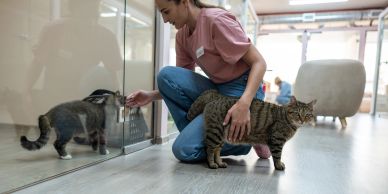
TNR is vital for effective feral cat management as it significantly reduces the number of cats entering animal shelters. This not only lowers costs related to housing and euthanasia but also enhances community cat health. Communities that prioritize TNR often experience long-term financial savings.
6. Creates Healthier, More Manageable Communities
6. Creates Healthier, More Manageable Communities
6. Creates Healthier, More Manageable Communities

Caretakers can monitor known colonies to enhance community cat health, track cat populations, identify medical needs, and quickly respond to new arrivals. This effective feral cat management strategy, highlighting TNR importance, results in healthier cats, cleaner colonies, and better outcomes for both animals and residents.